
If you’ve been scrolling through local social media groups, you’ve almost certainly seen the buzz: “Is it true that PayPal is now officially available in Sri Lanka?”
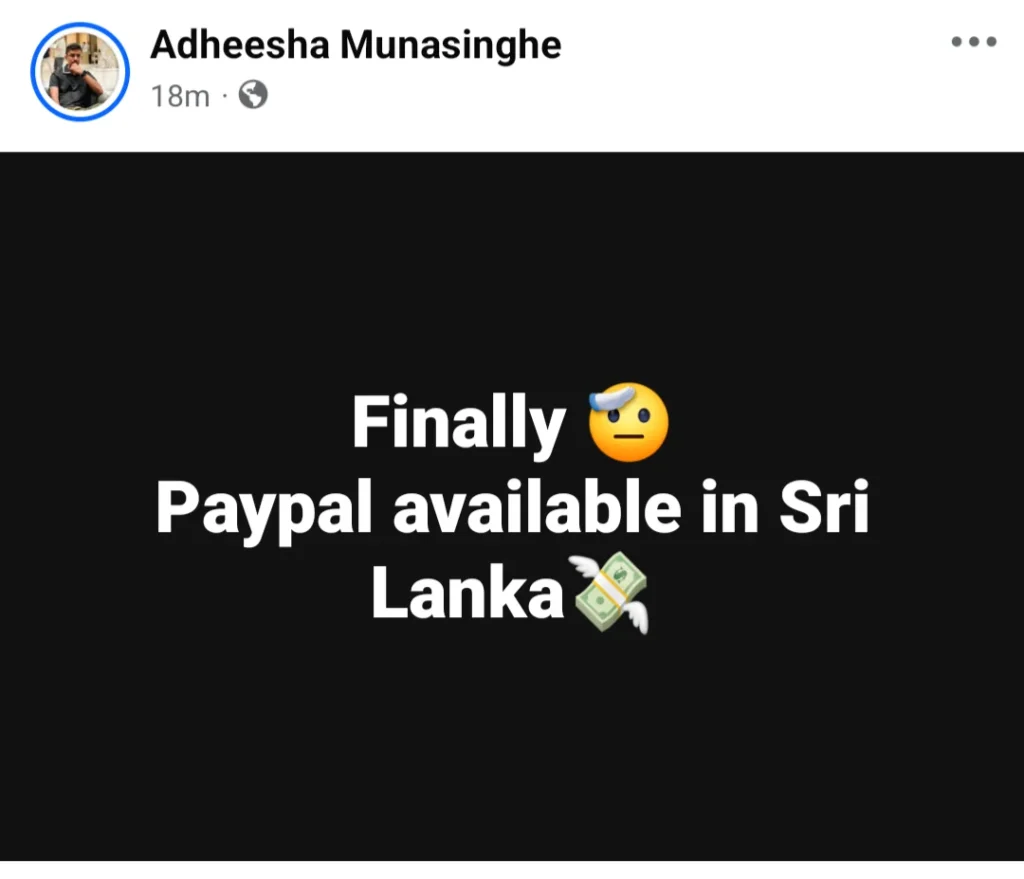
For freelancers, entrepreneurs, and digital marketers operating out of the island, this is the ultimate million-dollar question. Being able to easily accept international payments is a massive bottleneck for our local digital economy.
When the rumors started spiking, I had to run some tests to see if the policy had actually changed. Let’s cut right to the chase and look at the facts.
The Verdict: Can You Receive Money via PayPal in Sri Lanka?
No. The rumors are false. Despite the sudden surge of posts claiming otherwise, Sri Lankan PayPal accounts are still heavily restricted. While you can easily link a local credit or debit card to send money or pay for online services, the gateway for receiving incoming funds remains firmly closed.
The Proof: What Happens When You Try?
To put the rumors to rest, I attempted to set up an account to accept an inbound international transfer. The system immediately blocked the transaction, displaying a very clear warning message from PayPal.
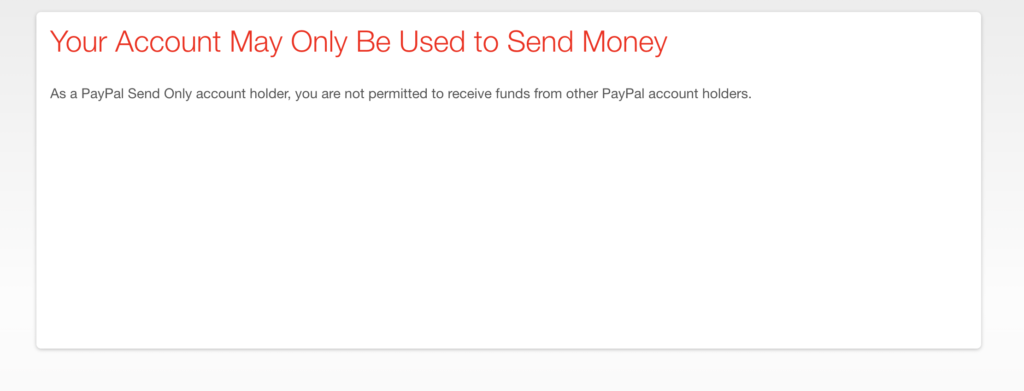
The platform explicitly states: “Your Account May Only Be Used to Send Money. As a PayPal Send Only account holder, you are not permitted to receive funds from other PayPal account holders”.
Until PayPal officially updates its global policy directory and this message disappears from local accounts, any “workaround” or social media claim should be treated as misinformation.
Why You Shouldn’t Use Fake “Workarounds”
Some users suggest creating accounts using fake addresses from supported countries (like the Philippines or Malaysia). As a professional dealing with international digital operations for over seven years, I strongly advise against this.
Using fake details violates PayPal’s Terms of Service. When their security algorithms eventually flag your account—and they will—they will demand official proof of identity and local residency. When you cannot provide it, your account will be permanently banned, and any funds trapped inside will be frozen for 180 days (or lost entirely).
What CAN You Do with PayPal in Sri Lanka?
While receiving is out of the question, your local account is still useful for outbound digital marketing and operational expenses. You can legally and safely use a Sri Lankan PayPal account to:
- Pay for software subscriptions: (e.g., SEMrush, Ahrefs, Adobe Creative Cloud).
- Fund advertising campaigns: (Depending on the ad network’s specific requirements).
- Shop internationally: (eBay, global eCommerce stores).
- Pay international freelancers: (via platforms like Fiverr or Upwork).
Top PayPal Alternatives for Sri Lankans
Since PayPal is off the table for inbound cash flow, how should local professionals receive payments?
Transitioning to a new payment gateway usually means dealing with entirely new fee structures and conversion rates. To ensure you aren’t losing money to hidden platform charges, I highly recommend running your target income through my free Freelance Rate Calculator before sending your next invoice. It helps you figure out exactly what to charge your client so you take home your required amount after fees.
Once you know your true rate, here are the most reliable alternatives currently used by the local digital community:
- Payoneer: The gold standard for local freelancers. It integrates seamlessly with platforms like Fiverr and Upwork, and allows you to withdraw funds directly to your local Sri Lankan bank account.
- Wise (formerly TransferWise): Excellent for direct client-to-freelancer transactions. It offers incredibly competitive exchange rates and fast bank deposits.
- Direct Wire Transfers (SWIFT): While older and sometimes accompanied by higher fees, standard bank transfers remain a highly secure way to receive large B2B payments.
- Stripe (via Company Formation): For larger agencies or e-commerce brands, setting up an LLC overseas (using services like Stripe Atlas or Firstbase) allows you to legally operate a US Stripe account, completely bypassing local payment gateway limitations.
UPDATE February 2026 New Government Announcement
Since I first published this warning, the situation has shifted. The Ministry of Digital Economy has officially confirmed that they are now in the final phase of enabling inward remittances with private banks.
While the “Send Only” restriction is still active for now, we finally have a government statement that looks like real progress.
If you want to know if this is the real deal or just another promise, I have written a full breakdown of the latest announcement.
Read my full analysis in PayPal Sri Lanka 2.0 and The Truth About The Final Stage.
Final Thoughts
In the fast-moving digital landscape, it’s easy for misinformation to spread like wildfire. Always verify payment gateway news through official channels before making promises to your international clients.
For now, PayPal receiving is still a waiting game for Sri Lanka. Stick to the proven alternatives to keep your business running smoothly.