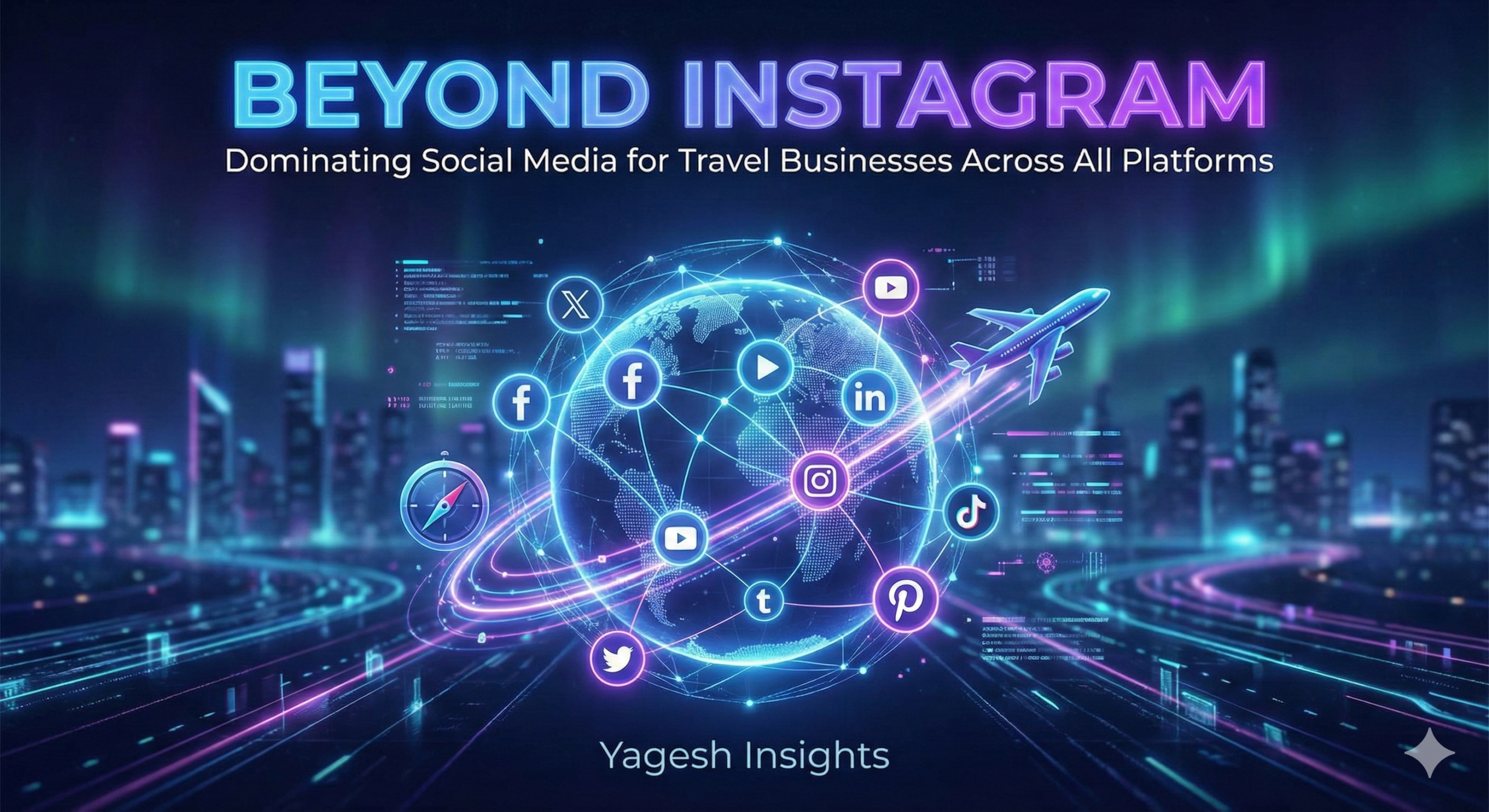
For years, Instagram has been the undisputed visual king for the travel industry. Its curated aesthetics, aspirational imagery, and seamless storytelling seemed tailor-made for inspiring wanderlust. However, the social media landscape is an ever-evolving entity. Relying solely on one platform, no matter how powerful, is a strategic misstep in today’s dynamic digital world. Travel businesses, from boutique hotels to adventure tour operators, must diversify their online presence to truly connect with their target audiences, enhance brand visibility, and drive conversions. This deep dive explores how to craft a robust, multi-platform Social media strategy for travel industry that goes far beyond Instagram’s confines.
The Shifting Sands of Social Media for Travel
The honeymoon phase with Instagram as the sole travel marketing channel is over. While still vital, algorithm changes, increased competition, and the rise of new platforms like TikTok have fragmented audience attention. What resonates with a Gen Z backpacker on TikTok might fall flat with a luxury traveler planning their next cruise on Facebook. A diversified approach isn’t just about presence; it’s about relevance, ensuring your message reaches the right person, on the right platform, at the right time. Developing a comprehensive social media marketing for travel industry today means embracing this complexity.
Furthermore, different platforms serve different purposes in the customer journey. Some are for inspiration, others for research, and still others for direct booking or customer service. By understanding these nuances, travel brands can craft a more effective and resilient online presence, insulating themselves from the whims of a single platform’s algorithm or policy changes. The goal is to build a cohesive digital ecosystem where each platform plays a unique, yet integrated, role.
Unpacking Your Audience – The Foundation of Strategy
Before jumping into platform specifics, the cornerstone of any effective social media strategy, especially for the travel industry, is an in-depth understanding of your audience. Who are you trying to reach? What are their motivations, pain points, and online behaviors?
Demographics & Psychographics
- Demographics: Age, gender, income level, geographical location, marital status. Are you targeting millennials, Gen Z, families, or retirees?
- Psychographics: Interests, values, lifestyle, travel motivations (adventure, relaxation, culture, business), preferred travel styles (luxury, budget, solo, group). Do they seek unique experiences, comfort, sustainability, or cultural immersion?
By delving into these details, you can begin to paint a clear picture of your ideal traveler. This understanding will inform everything from the content you create to the platforms you prioritize and the tone of your messaging.
Travel Niche & Persona Development
The travel industry is vast. Are you an eco-tourism operator, a luxury resort, a budget airline, or a cruise line? Each niche attracts a distinct audience. Develop detailed buyer personas for each segment you target. For example:
- “Adventure Alex”: 28-year-old, active, budget-conscious, seeks off-the-beaten-path experiences, loves hiking and extreme sports, active on TikTok and YouTube for travel vlogs.
- “Luxury Lisa”: 45-year-old, high income, values comfort and exclusivity, enjoys fine dining and spa treatments, uses Facebook for curated group travel discussions and Pinterest for aspirational planning.
These personas help in tailoring your social media strategy for travel industry to speak directly to the desires and habits of your potential customers.
Platform-Specific Marketing Strategies
Once you know who you’re talking to, you can decide where to talk to them and what to say. Here’s how different platforms can be leveraged by travel businesses:
TikTok (Short-Form Video Dominance)
TikTok is an immersive platform driven by authenticity and viral trends. It’s excellent for showcasing experiential travel. Travel brands can:
- Create short, engaging videos highlighting unique destination features, behind-the-scenes glimpses, or quick travel tips.
- Utilize trending sounds and challenges to boost visibility.
- Encourage user-generated content (UGC) by creating branded hashtags for travelers to share their experiences.
- Collaborate with travel influencers for quick, impactful campaigns.
Focus on raw, unfiltered moments that evoke a sense of adventure and immediate desire.
YouTube (Long-Form Storytelling & Vlogs)
For more in-depth exploration, YouTube is invaluable. It’s a search engine in itself, perfect for detailed content:
- Publish destination guides, detailed itineraries, ‘day in the life’ travel vlogs, hotel tours, or travel tip series.
- Optimize videos with relevant keywords in titles, descriptions, and tags for better search visibility.
- Collaborate with established travel YouTubers for broader reach and trusted endorsements.
- Use YouTube to answer common travel questions, positioning your brand as an expert resource.
YouTube content tends to have a longer shelf life and can drive significant traffic and bookings over time.
Facebook (Community Building & Targeted Advertising)
Facebook remains a powerhouse for community engagement and highly segmented advertising, especially for older demographics or specific travel niches:
- Create private groups for past customers or specific interest groups (e.g., “Alaska Cruise Enthusiasts”) to foster loyalty and word-of-mouth.
- Run highly targeted ad campaigns based on demographics, interests, behaviors, and lookalike audiences to reach potential travelers.
- Utilize Facebook Events for webinars, Q&As with travel experts, or virtual destination tours.
- Provide excellent customer service through Messenger, addressing queries and facilitating bookings directly.
Facebook excels at nurturing leads and converting interest into bookings through precise targeting.
Pinterest (Visual Discovery & Planning)
Pinterest is less a social network and more a visual search engine, where users go for inspiration and planning. It’s perfect for:
- Creating aspirational boards for destinations, travel themes (e.g., “Romantic Getaways”), or specific activities.
- Designing visually stunning infographics for travel tips, packing lists, or itinerary ideas.
- Linking pins directly to relevant blog posts, booking pages, or product offerings on your website.
- Utilizing rich pins for product or article details, making them more informative and actionable.
Pinterest’s evergreen content continues to drive traffic long after creation, making it a valuable long-term asset for your social media strategy.
LinkedIn (B2B and Niche Travel)
While not immediately obvious for travel, LinkedIn serves a crucial role for B2B travel, corporate travel, and MICE (Meetings, Incentives, Conferences, and Exhibitions) segments:
- Share industry insights, reports on business travel trends, and thought leadership articles.
- Connect with corporate travel managers, event planners, and potential partners.
- Showcase your company’s expertise in handling group bookings, corporate retreats, or incentive travel programs.
- Network with other professionals in the travel and tourism sector for collaborations and partnerships.
LinkedIn builds credibility and opens doors for high-value business opportunities.
X (formerly Twitter) – Real-time Engagement & News
X is about immediacy, real-time updates, and engaging in conversations:
- Provide instant customer service, responding to queries and addressing issues promptly.
- Share real-time deals, last-minute offers, or news about destination updates (e.g., weather, events).
- Engage in relevant conversations using trending travel hashtags.
- Monitor brand mentions and competitor activities to stay informed.
X is excellent for direct interaction and staying top-of-mind during current events or travel planning phases.
Content Pillars for Your Travel Brand
Regardless of the platform, your content should generally fall into these strategic categories:
- Aspirational & Inspirational: Beautiful photos and videos that ignite wanderlust. Think stunning landscapes, luxurious accommodations, or thrilling activities.
- Informative & Educational: Practical advice, how-to guides, destination facts, cultural etiquette, visa requirements. Position your brand as a helpful resource.
- User-Generated Content (UGC): Encourage and reshare content from your travelers. This builds trust and provides authentic social proof.
- Deals & Promotions: Strategically promote offers, packages, and discounts. Create a sense of urgency without being overly salesy.
- Behind-the-Scenes & Authenticity: Show the human side of your business, introduce your team, or share glimpses of how you operate. This builds connection.
Implementing & Optimizing Your Social Media Strategy for Travel Industry
A strategy is only as good as its execution and refinement:
Content Calendar & Scheduling
Plan your content weeks or months in advance, ensuring a consistent posting schedule across all relevant platforms. Utilize scheduling tools to streamline this process and ensure cross-promotion where appropriate.
Analytics & KPIs
Regularly track key performance indicators (KPIs) such as engagement rate, reach, website traffic, lead generation, and conversion rates from each platform. Tools like Google Analytics and platform-specific insights will be invaluable. Don’t be afraid to A/B test different content types, ad creatives, and posting times to see what resonates best with your audience.
Paid Social Integration
Organic reach is increasingly challenging. Allocate a budget for paid social media campaigns to boost your content, reach new audiences, retarget website visitors, and drive direct bookings. Paid strategies can amplify your organic efforts significantly.
Influencer Marketing & Partnerships
Collaborate with travel influencers, both macro and micro, whose audience aligns with your target market. Ensure these partnerships are authentic and clearly disclosed. Beyond influencers, seek out partnerships with complementary travel businesses, local attractions, or relevant media outlets.
Crisis Management & Customer Service
Have a clear plan for responding to negative comments or reviews. Speed and transparency are key. Also, utilize social media as a primary channel for customer service, providing quick and helpful responses to inquiries.
Yagesh’s Insight on Using social media for the travel industry
Dominating social media for the travel industry in an era beyond Instagram requires a strategic shift from singular focus to multi-platform mastery. By deeply understanding your audience, tailoring content to each platform’s unique strengths, and consistently measuring performance, travel businesses can build a resilient, engaging, and conversion-driving online presence. The journey to a comprehensive social media strategy for the travel industry is ongoing, demanding continuous learning and adaptation, but the rewards of expanded reach, deeper engagement, and increased bookings are well worth the effort.